
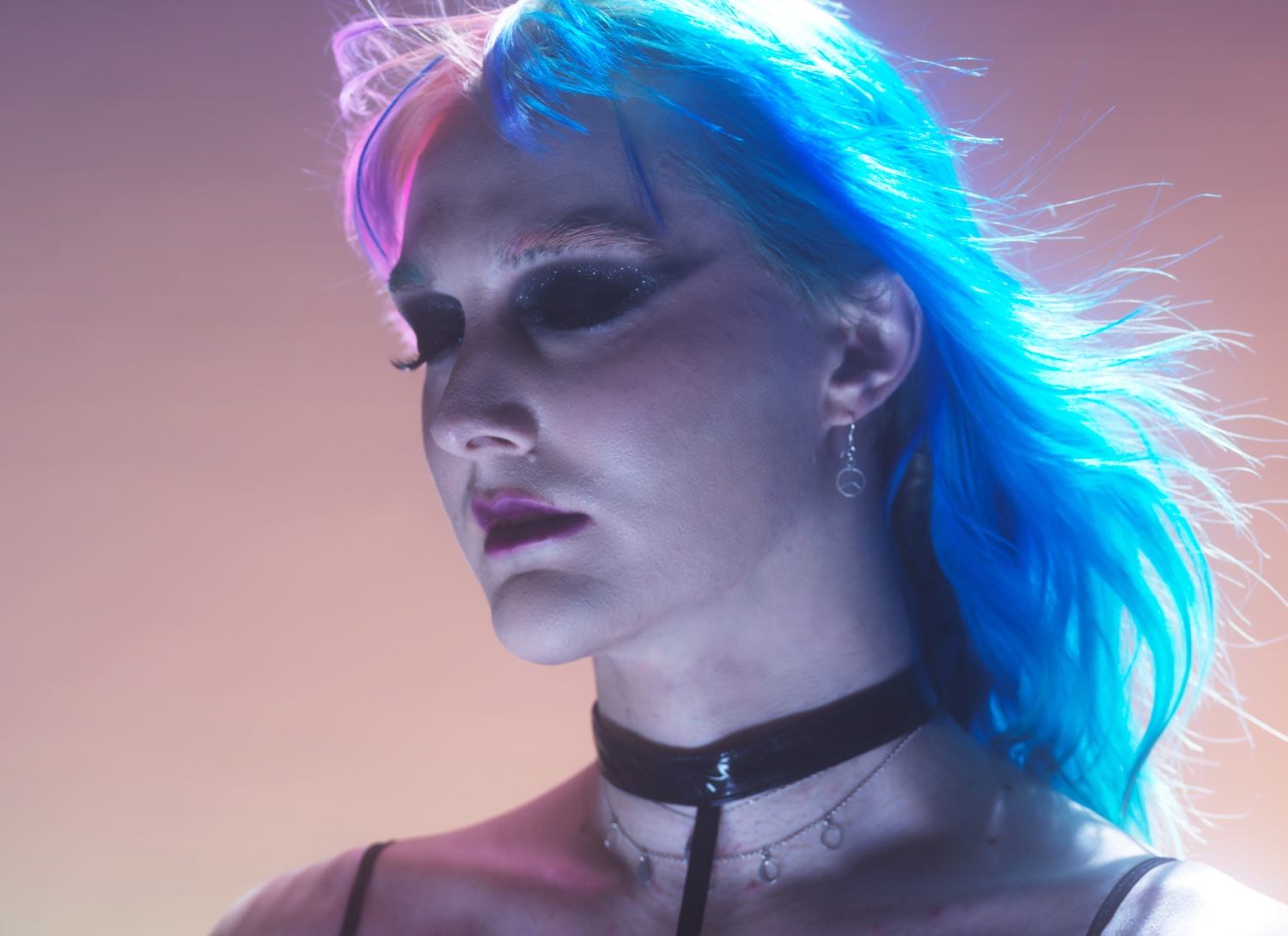
“I still don’t believe it’s real,” Jasmine.4.t. says, laughing. It’s been a rollercoaster year since the release of her critically acclaimed debut album “You Are the Morning” in January, and she’s barely had time to draw breath. She feels it’s surreal to be back in Berlin, playing her own headline shows, after supporting Lucy Dacus here in 2018.
Jasmine Cruickshank’s meteoric rise is the stuff of wild dreams for any artist. She was the first artist signed to Phoebe Bridgers’ Saddest Factory Records, Bridgers’ band boygenius produced her debut album in L.A. and she has since supported Boygenius on tour. Jasmine.4.t. is no overnight success though: she has been self-releasing her indie rock music and playing live for over a decade in her native UK.
The “crazy shit”, as Jasmine puts it, followed after Lucy Dacus played Jasmine’s music to her boygenius bandmate Phoebe Bridgers. Jasmine and Lucy had been close friends for some years, but plucking up the courage to approach Bridgers was a different story. It all happened quickly after that, with Jasmine flying to L.A. to record “You Are the Morning” in Sound City Studios, where Nirvana and Fleetwood Mac once recorded, with Bridgers, Dacus and Julien Baker on production.
“I was finding queer solidarity for the first time and the album is very much about that journey of discovery.”
“Yeah, that hasn’t sunk in yet, let alone all the other stuff that’s happened since then!” Jasmine laughs. She laughs a lot: her songs are brimming with emotion, but “You Are the Morning” is at heart an album about joy and love. A year on, Jasmine says she feels “really good” about her debut, which is sure to feature on multiple “Best Albums of 2025” lists. “I think they’re good songs,” she says. “They’re the kind of songs you can only write once because they’re about my transition, meeting and falling in love with trans people for the first time and understanding queer friendships. I was finding queer solidarity for the first time and the album is very much about that journey of discovery. So those songs feel very special and unique.”
Jasmine, 32, came out as trans “for the second time” post-Covid. Her first coming out at the age of 16 went “really badly. I went back in the closet for 13 years until I was 29.” Falling seriously ill with Long Covid and having a heart operation, followed by “a lot of time in bed thinking” led her to realise she needed to transition again.
Dacus, a close friend throughout, was an early listener to “You Are the Morning”, which distils Jasmine’s coming out journey into thirteen immaculately produced songs. “I admire Lucy so much as a songwriter and we work really well together,” Jasmine says. “She really helped me decide on the shape of the record. The title track was originally about seven minutes long! Lucy really helped me distil it into something more succinct and poetic. I really admire her ability to communicate a feeling in as few words as possible.”
“I put a lot of trust in Phoebe, Lucy and Julien as producers but I knew I could.”
Working with “The Boys”, as she calls them, was “a dream come true”. “I put a lot of trust in them but I knew I could,” Jasmine says. It’s rare for albums to be produced by an all-women team, especially queer women. That was vital to the record, she explains: “I’ve worked with straight people before and it’s very different. With other queer people, there is a natural understanding of the boxes society puts people in, that we as queer people relate to and understand as a social construct. But straight people will still be wrapping their heads around that in real time as I speak to them. I’ll be thinking, ‘This is exhausting and I can tell you’re not listening to me.’”
Each member of boygenius brought out different qualities on “You Are the Morning”. “Phoebe is the boss!” Jasmine says. “She knew Sound City as a studio so well, she had the confidence to make critical decisions about the vocal chain and things like that. She was really the driving force behind the production, choosing the key and tempo and so on. She’d be like ‘We need to try singing the whole song at 120 BPM and if that’s not right we’ll try 121 BPM!’ Phoebe is all about making those fundamental decisions very carefully, which I might not think so much about.”
Julien Baker really brought out the guitar and drum textures on the record, Jasmine says: “She’s such an incredible guitarist and played guitar on a lot of the album, which is crazy to me. I remember seeing Julien in around 2018 at a festival: such a powerful set radiating from this tiny human! I remember someone describing a Paul Weller show as like standing next to a nuclear reactor and that’s how it felt when I saw Julien! There’s an honesty to her music that is completely soul-bearing and devastating and I really try to live by that, not just in my music but in my life and relationships.”
“Filling that legendary studio at Sound City with trans people, at a time when Trump had just been re-elected was incredibly powerful.”
Jasmine recalls the experience of recording “You Are the Morning” as profoundly collaborative, not only with boygenius but also the trans community. The Trans Chorus of L.A. feature on the album’s anthemic closing track “Woman”, which features the lyrics “Cause I know who I am, and I understand/That I am in my soul a woman/That I am in my body a woman”.
“Filling that legendary studio with trans people, at a time when Trump had just been re-elected was incredibly powerful,” Jasmine remembers. “We were all intensely aware of that moment and the importance of the music we were making.”
Live, Jasmine’s music takes on an even more intensely emotional quality. I know this first-hand: the first time I heard her play, in London this summer, she quickly reduced me to tears. “I’ve heard that a lot about my music,” Jasmine says, “And it’s funny because I just think of myself as kind of bleep-blooping when I’m making it! But I guess I’m often bleep-blooping in my most emotional moments so the songs contain all that feeling.”
Her songs have been transformed played live, she says: “‘You Are the Morning’ was written about my best friend, but as I’ve been singing it, it’s become more about people in the audience showing up to my show and being that ray of hope and potential for camaraderie and allyship that we so desperately need.”
Jasmine is acutely aware that her success is coming at a time of rapidly increasing hostility and violence towards trans people globally. Speaking out about this at her shows is important for everyone present, she says: “Trans people are dying around the world, in prisons, on the streets, by suicide. Young trans people are taking their own lives because they’re being forced to go through the wrong puberty due to the puberty blocker bans happening everywhere. It’s really heartbreaking,” she says, shaking her head. “If I had had that medicine, my life would have been so much easier. But no one seems to care that much about trans deaths. They’d rather talk about the bathrooms.”
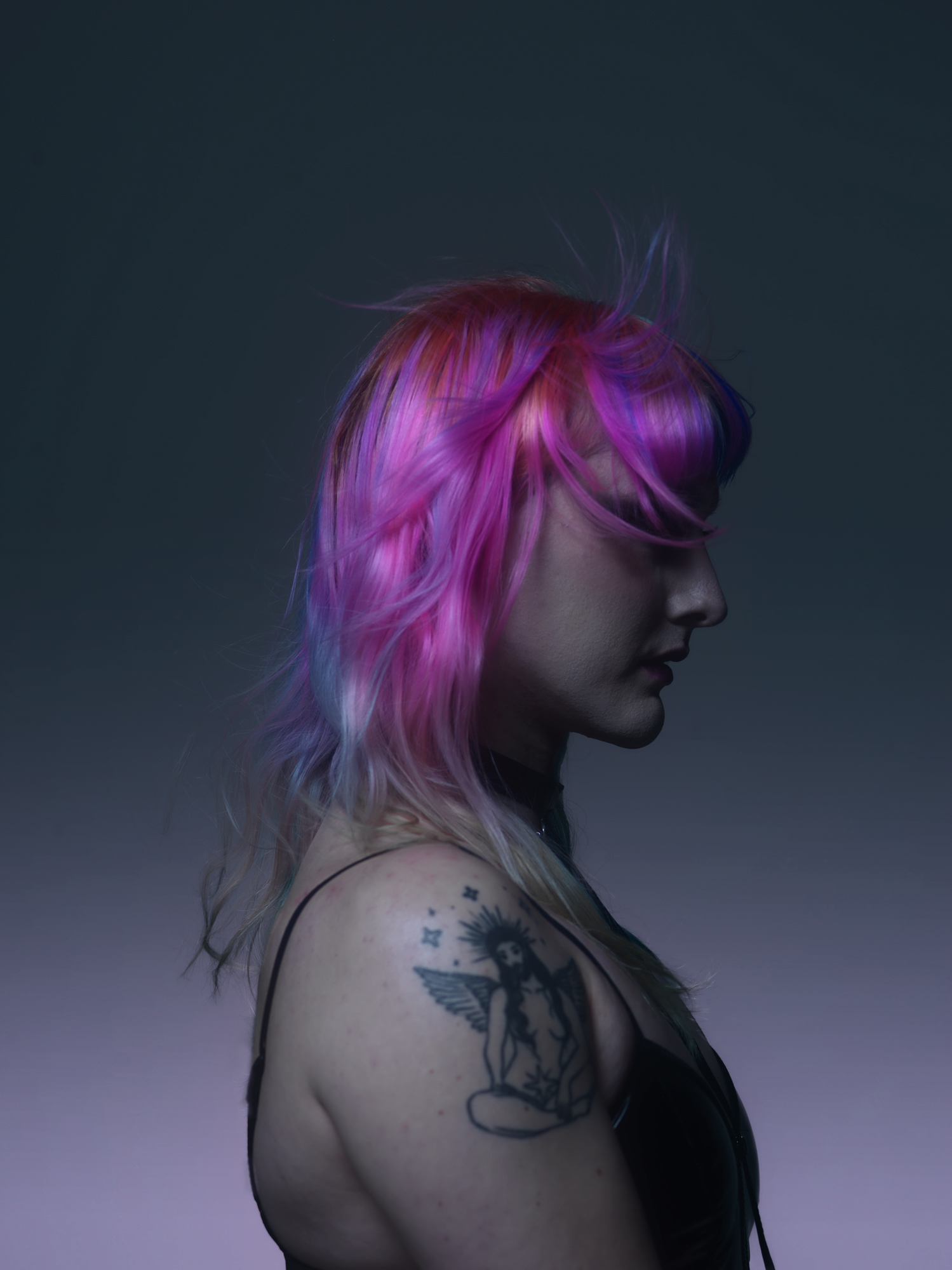
“I love that my gig is the room queer young people of all identities feel safe in. My fans are so lovely.”
Safe spaces for young queer and trans people have become more important than ever: “Community is such an important step in people finding their identity. We’re creating these spaces where we can talk about what’s going on and we feel seen, safe and loved. We can be ourselves without being afraid, and also make friends,” Jasmine says. “I’ve met so many wonderful trans people through making this album but they’ve also met each other by coming to the shows.”
She has lots of young, cis lesbian fans as well as cis and trans gay men and asexual young people. “I love that my gig is the room they all feel safe in,” she says. “Helping people to find that is such a privilege. My fans are so lovely.” She gets many DMs from young queer and trans people. “It’s really difficult to keep up with now. I used to read every single message,” she says. “But I still try to read as many as I can.”
Jasmine’s success has inevitably made her a target for online abuse, but less than she expected, which has surprised her: “When I was a smaller artist I actually used to get much more. I feel like my confidence now intimidates people. I don’t seem attackable.” She has a great team around her who protect her and ensure she can focus on her music, she says: “My manager, who’s a woman, is very good at keeping any cis man especially out of the way and only having me deal with them if it’s really necessary!”
She has found touring with her all-trans band – Emily Abbott on bass, Asher Fynn on keys, synths and backing vocals and Maxie Cheer on drums – an overwhelmingly empowering experience too: “I’ve had a wonderful time touring and nothing terrible has happened to us. Which is crazy given we’re a group of chaotic trans people crossing several borders a day! I feel so lucky. Terrible is relative,” she says. Still, she mentions “a lot of shit things at border control…being groped by officials, lots of sexual harassment from airport security, but you kind of dissociate your way through it.”
Jasmine is looking forward to getting to work on her next album. “When I’m not on the road, I want to be on the road and when I’m on the road I want to be at home writing,” she laughs. “I like the studio but it’s not where I consider my music to be made. My bedroom is where my music is really made and I go to the studio to polish it.” She’s always writing, she says: “I have a rolling buffer of ten or so songs that I’m working on and I try to finish older ones before starting new ones. I have slowed down noticeably while I’ve been on tour and I’ve felt it because I’m not getting those emotions out in the same way. I think when I finish this tour I’ll do a lot of crying and a lot of writing!”
She has “about 70-80 songs” written that she wants to release “at some point”, she says: “I think a lot of people hold onto a record as a body of work that represents where they are now then they move onto the next thing, but I don’t see it like that. I’m always writing and I’ll just choose a different bunch of songs for the next album.”
We have to stop: someone from her team is at the door, making sure Jasmine eats before she goes on stage. “I need my fried tofu!” she laughs. The doors won’t open for another hour but a group of young people are already queuing outside in the cold, talking excitedly about the show to come. Later, I see them standing right in front of the stage, holding each other tightly and singing along to every word. It’s a poignant reminder of just how important Jasmine.4.t. is as an artist, especially for young people and especially right now.
Jasmine.4.t.’s top five trans and queer artists
Anohni
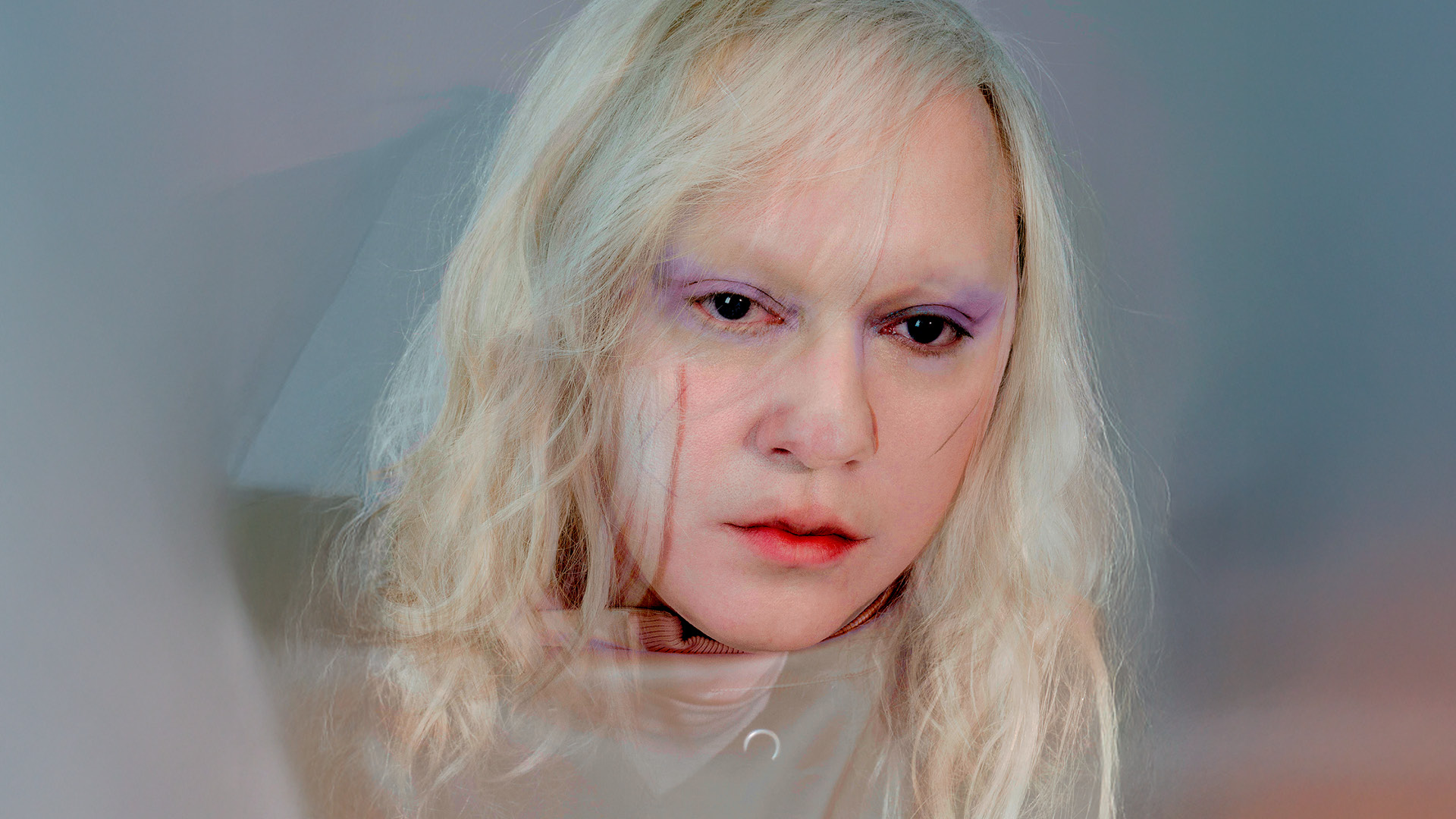
“I Am a Bird Now” (2005) was the record that cracked my egg and made me want to come out for the first time. I didn’t consciously understand then that it was an album about transition. Coming back to it and realising how important it’s been to me for my whole life has been really special.
Ezra Furman
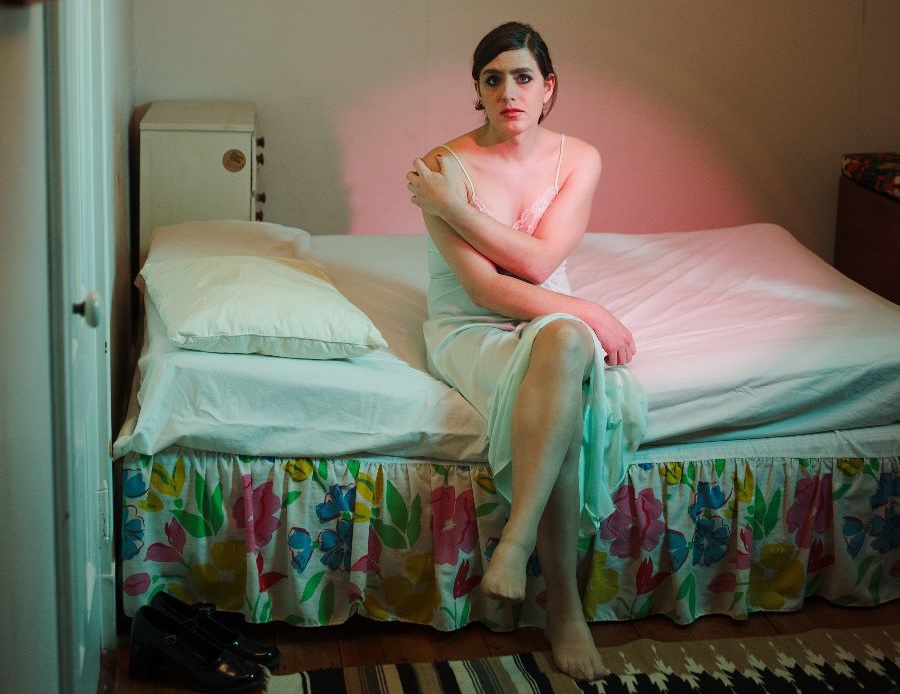
I have been a big, big fan of Ezra Furman since before my transition but I think the album “All of Us Flames” (2022) just really hit for me. It’s a very rebellious record, very anarchistic and so fiercely for the self and self-identification and fighting for yourself and your own rights. It came out very early in my second transition when I was forming a lot of relationships – romantic and platonic – with other trans people for the first time and that music was something that bonded us. It meant a lot to a lot of people in my life. I remember her playing in Manchester and a huge group of trans women stood right at the front. I remember there was a much older cis man stood right behind me trying to push through, and we were all like, ‘No, this is for us mate!’
Lucy Dacus
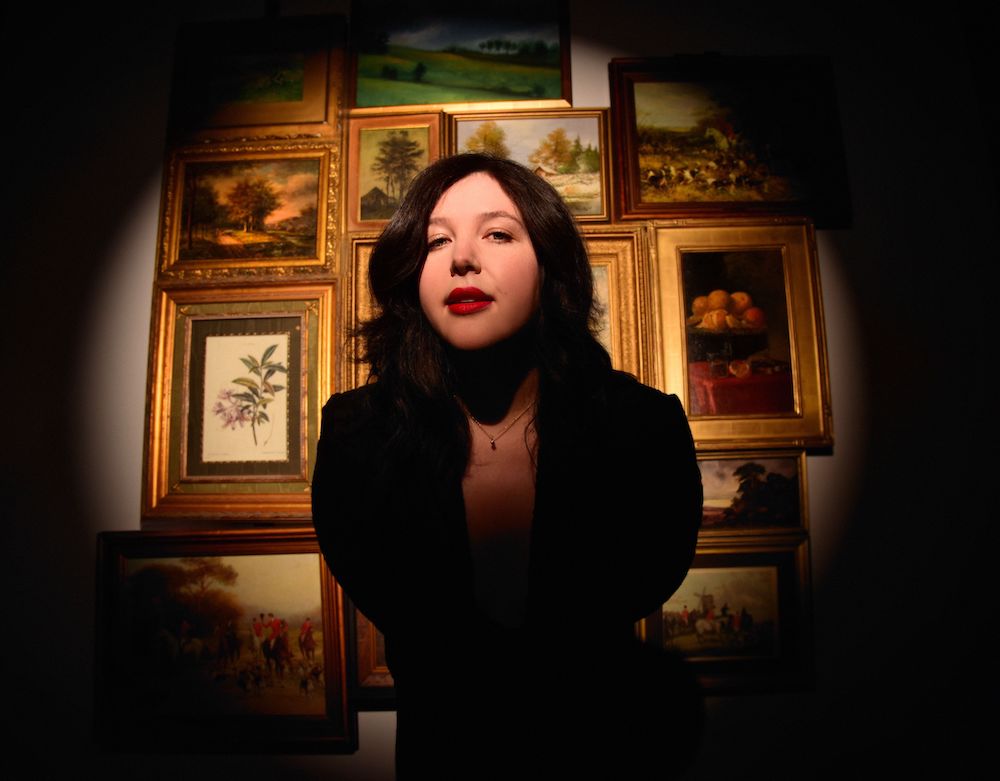
I love all of Boygenius’s work, both collectively and individually. But I have a special connection with Lucy’s music because of our relationship. I think “Best Guess” [from “Forever is a Feeling”, 2025) may be one of the greatest songs of all time. It’s so perfect and really inspired me. Actually one of the songs from the extended version of my album that just came out – “Please Can We Hold Each Other Yesterday” – is inspired by “Best Guess”. I tried to do a kind of flip and instead of looking forwards at a relationship, look backwards!
Adrianne Lenker
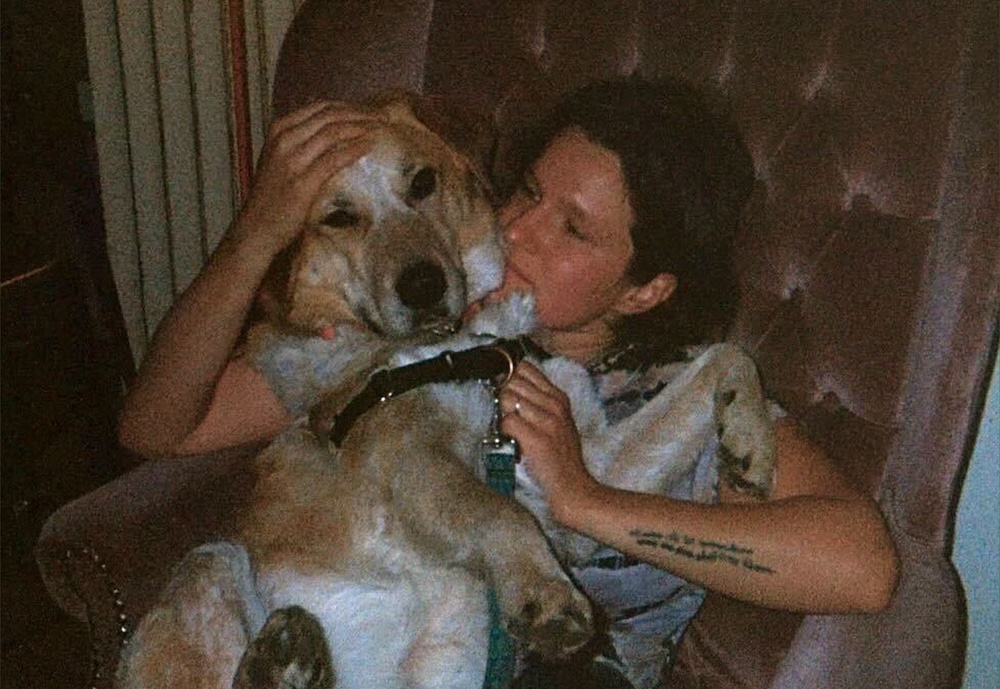
I’m very influenced by Adrianne Lecker. I did her School of Song workshop and she told us she tries to write a song a day. That’s aspirational for me, but I do sometimes do that, especially over winter. Definitely not on the road!
SOPHIE
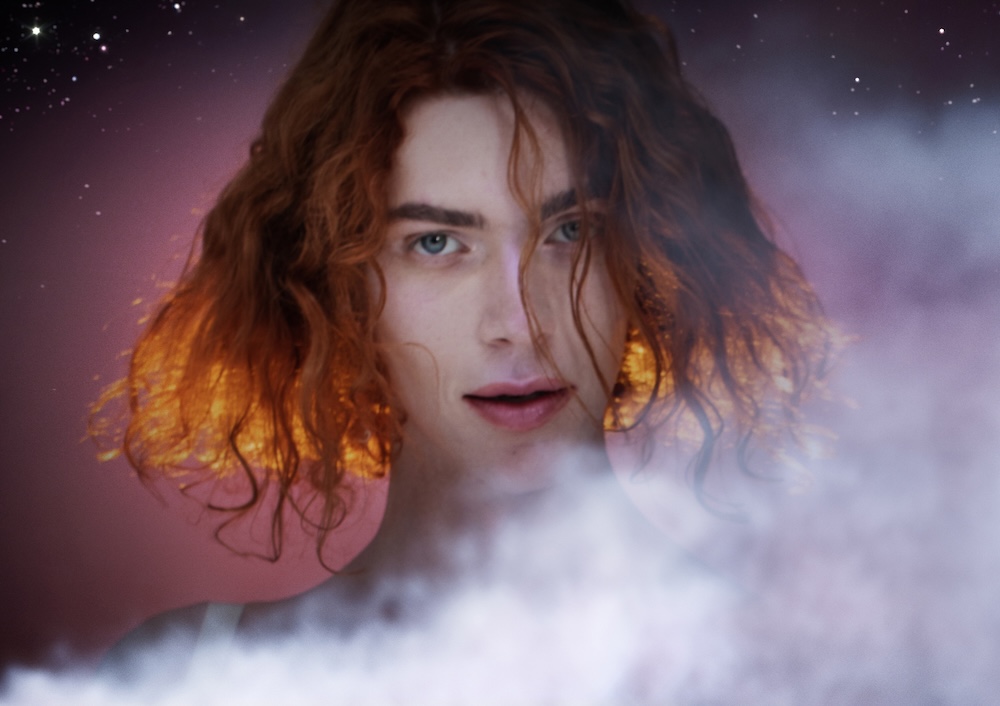
I love SOPHIE, all of SOPHIE! She was really important to me early in my transition too. I was a party girl at that point and I actually have a lot of electronic songs I made at that point that I might do something with on the next record. We’ll see!